Explainer
First Past the Post Explained: How UK Elections Work
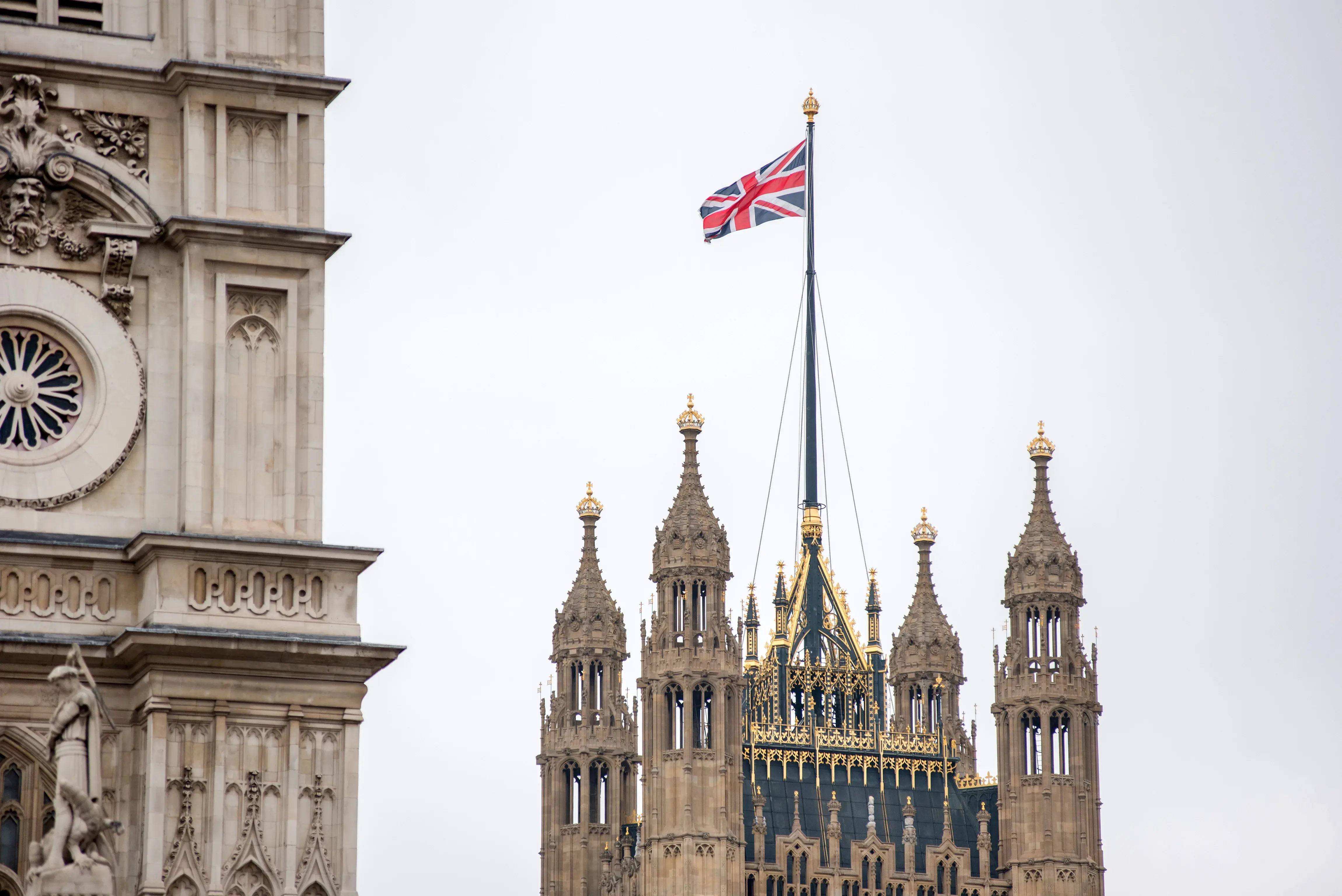
First Past the Post (FPTP) is the electoral system used for UK general elections. It is one of the simplest voting systems in the world — but it produces some of the most disproportionate results. Understanding FPTP is essential to reading voting intention polls correctly: a party polling at 28% nationally is not going to win 28% of seats.
How First Past the Post works
The UK is divided into 650 parliamentary constituencies, each electing one Member of Parliament (MP). Voters mark a single X on their ballot. The candidate with the most votes wins, regardless of whether they have an absolute majority. No second preferences, no redistribution, no runoff rounds.
- Candidates from various parties stand for election
- Voters choose one candidate and mark their ballot with an X
- The candidate with the most votes wins the seat — a plurality, not a majority, is enough
- Votes for every other candidate are discarded and have zero effect on the parliamentary result
A candidate can win with 30% of the vote if opponents split the remaining 70% between them. This is the core mechanism that makes FPTP both powerful and, to many critics, deeply unfair.
Why vote share does not equal seat share
FPTP rewards geographic concentration of support, not raw national vote share. The 2024 General Election illustrates this starkly. See our full 2024 results analysis for the complete breakdown.
- Labour: 34% of the vote → 412 seats (63% of all 650 seats)
- Conservatives: 24% of the vote → 121 seats (19% of seats)
- Reform UK: 14% of the vote → 5 seats (0.8% of seats)
- Lib Dems: 12% of the vote → 72 seats (11% of seats)
Reform UK won nearly as many votes as the Lib Dems nationally but only 5 seats compared to 72. The reason: Lib Dem support is concentrated in southern England constituencies where they can win, while Reform UK support is spread evenly across England. Spread votes are wasted votes under FPTP. This is the single most important fact when interpreting current polling showing Reform UK at 28% nationally.
Safe seats and wasted votes
Safe seats are constituencies where one party consistently wins by large margins, often for decades. In a safe Labour seat in inner Manchester, votes for Conservatives, Reform, and Greens have zero parliamentary effect. In a safe Conservative seat in rural Oxfordshire, Labour votes are equally discarded.
The Electoral Reform Society estimates that at the 2024 election, over 19 million votes — more than a third of all votes cast — were cast for losing candidates and had no impact whatsoever on the result. This structural feature underpins the case for proportional representation made by the Liberal Democrats and Greens.
What does FPTP mean for the 2029 general election?
With Reform UK polling at around 28% nationally in 2026, the question of how many seats that would translate to under FPTP is the central question in UK electoral analysis. Without a dramatic shift in geographic concentration, a 28% national vote share might produce 60–120 seats rather than the 182 seats (28% of 650) that strict proportionality would imply.
MRP models are the best tool for estimating what current polls would mean for seat distribution. Our 2029 GE forecast uses MRP to model various scenarios. One risk is a hung parliament if three-way splits produce no party with a clear majority.
FPTP compared to other systems used in the UK
The UK uses FPTP only for Westminster general elections. Scotland’s Holyrood Parliament, Wales’ Senedd, and Northern Ireland’s Assembly all use proportional or mixed systems — producing more representative results. See the UK electoral system explainer for the full picture.
The Electoral Commission publishes detailed data on all UK elections, including historical results by constituency.
Arguments for and against FPTP
In favour
- Usually produces clear, stable single-party majorities — 1997, 2001, 2019 and 2024 all delivered large workable governments
- Simple to understand and administer — one vote, one count
- Creates a direct link between MPs and their local constituency
- Tends to exclude extreme fringe parties that lack concentrated geographic support
Against
- Deeply disproportionate: millions of votes have no parliamentary impact
- Encourages tactical voting: voters choose the lesser evil rather than their true preference
- Creates safe seats where most voters’ preferences are irrelevant for decades
- Systematically under-represents nationally-spread parties like Reform UK and the Greens
For UK-specific data on how current polling translates into projected seats, see our voting intention tracker and the pollster profiles.
The 2011 AV referendum
The UK has voted on its electoral system once. In 2011, the coalition government held a referendum on replacing FPTP with the Alternative Vote (AV) system. AV was rejected 68%–32%. Both the Conservatives and most of the Labour Party campaigned for No; the Lib Dems campaigned for Yes. This remains the most recent democratic verdict on electoral reform, though proportional representation advocates argue AV was a weak reform that did not address fundamental disproportionality.
Frequently Asked Questions
What is First Past the Post?
First Past the Post is the UK’s electoral system for general elections. Each constituency elects one MP. The candidate with the most votes wins, regardless of whether they have a majority. Votes for all other candidates are discarded and have no parliamentary effect.
Why does the UK use First Past the Post?
The UK has used FPTP for centuries. It typically produces strong single-party majorities and clear governments. Critics argue it is deeply unrepresentative. A 2011 referendum rejected changing the system 68%–32%.
How does FPTP affect Reform UK in the polls?
Reform UK polling at 28% nationally would unlikely translate into 28% of seats under FPTP. Their vote is spread broadly rather than geographically concentrated. In 2024, they won 14% of the vote but only 5 seats. MRP models suggest even at 28% they might win 60–120 seats rather than the 182 that strict proportionality would produce.
What is a safe seat in UK politics?
A safe seat is a constituency where one party consistently wins by a large margin. Under FPTP, votes for losing parties in safe seats have no effect on the parliamentary result. Over 19 million votes in 2024 were cast for losing candidates.
Could the UK change its voting system?
A 2011 referendum on the Alternative Vote was rejected 68%–32%. No major party currently advocates changing the Westminster system, though the Lib Dems and Greens support proportional representation.