Explainer
Hung Parliament Explained: 2010, 2017 & Could 2029 Produce One?
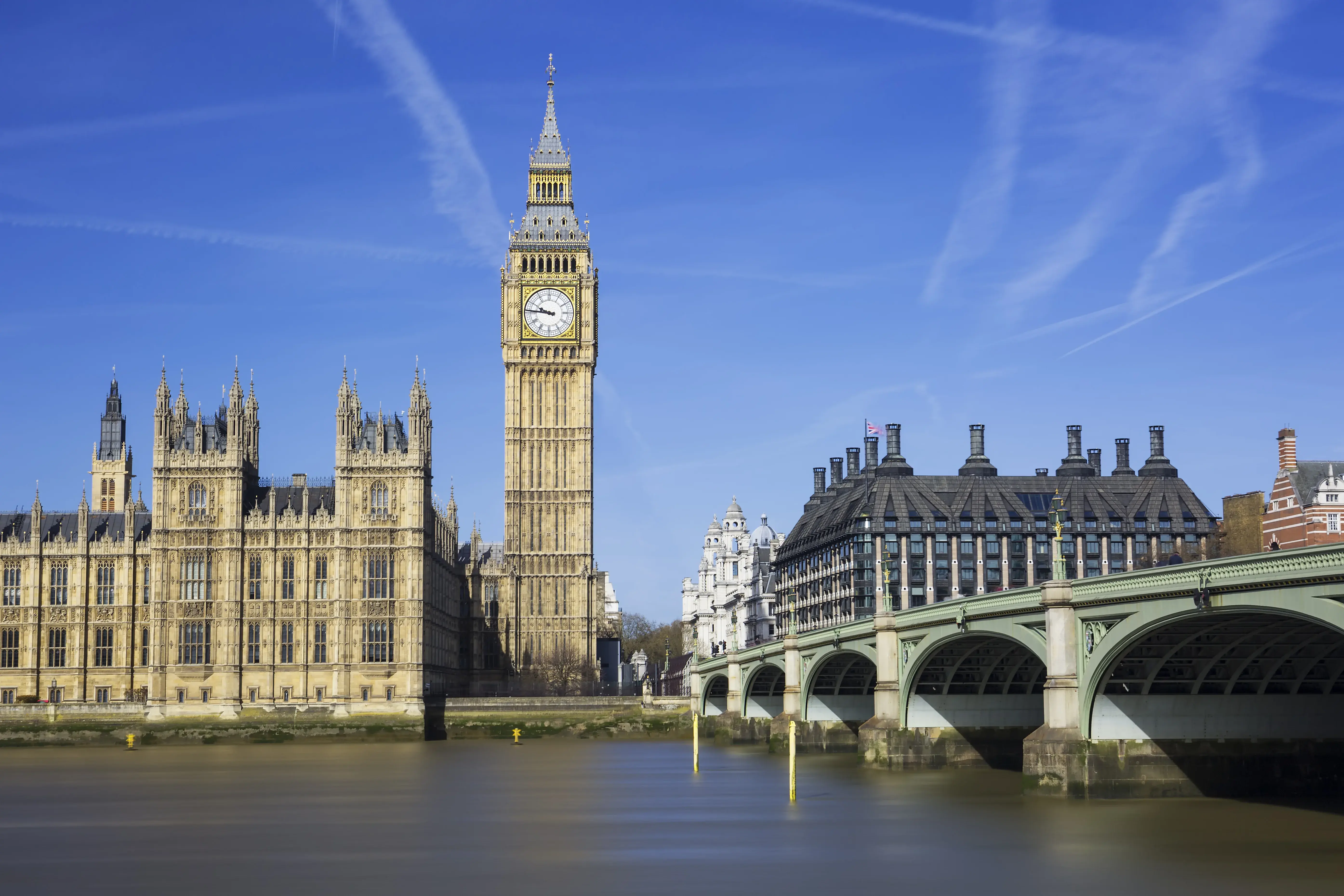
A hung parliament is one of the most consequential — and least understood — outcomes in British politics. It forces parties to negotiate, compromise, and share power in ways that the UK system is not designed to accommodate easily. With multi-party fragmentation growing, it is a scenario pollsters are watching closely ahead of the next general election.
What is a hung parliament?
A hung parliament occurs when no single party wins an outright majority of seats in the House of Commons. The magic number is 326 out of 650 seats (technically 323 seats can be sufficient if Sinn Féin MPs abstain, as they do not take their seats). Without a majority, a party cannot reliably pass legislation, budgets, or survive confidence votes.
The UK has experienced hung parliaments in 1974 (twice), 2010, and 2017. Each produced different arrangements for government formation:
- February 1974: Harold Wilson formed a minority Labour government after Edward Heath failed to negotiate with the Liberals; led to a second election in October 1974
- 2010: Full Conservative-Liberal Democrat coalition
- 2017: Conservative minority government with DUP confidence-and-supply
The 2010 Conservative-Liberal Democrat coalition
The 2010 general election produced the UK’s first hung parliament since February 1974. The result:
- Conservatives: 306 seats (36% of votes)
- Labour: 258 seats (29%)
- Liberal Democrats: 57 seats (23%)
Gordon Brown initially attempted to open discussions with the Liberal Democrats, but the arithmetic made a Lib-Lab deal almost impossible without also bringing in smaller parties. After five days of negotiations, the Conservatives and Liberal Democrats agreed a full coalition — the first formal coalition government since Winston Churchill’s wartime cabinet.
David Cameron became Prime Minister; Nick Clegg became Deputy PM. Five Liberal Democrats entered Cabinet. The two parties agreed a detailed coalition agreement covering economic policy, political reform (the AV referendum), and social policy. The coalition ran its full five-year term until 2015.
The political legacy was brutal for the Liberal Democrats. Their support for tuition fee rises — having pledged to oppose them — led to catastrophic poll collapses. They lost 49 of their 57 seats in 2015.
The 2017 DUP confidence-and-supply arrangement
Theresa May called a snap election in April 2017 with the Conservatives polling 20 points ahead, expecting a landslide majority. Instead, Labour under Jeremy Corbyn surged from 25% to 40%, and the Conservatives fell from 330 seats to 317 — nine short of a majority.
Rather than forming a coalition, May negotiated a confidence-and-supply arrangement with the Democratic Unionist Party (DUP), who held 10 seats. The deal involved:
- DUP supporting the government on confidence votes and supply (budget) motions
- An extra £1 billion in funding for Northern Ireland
- No DUP ministers in Cabinet
- Agreement on key DUP priorities including Brexit and maintaining the union
The arrangement was fragile. May’s government lost 33 Commons votes in two years — a modern record. The deal collapsed when May brought her Brexit Withdrawal Agreement to Parliament; the DUP refused to support it, and it was defeated three times. May resigned in 2019.
Coalition vs confidence-and-supply: what is the difference?
These are two distinct arrangements for minority government:
| Feature | Coalition | Confidence & Supply |
|---|---|---|
| Cabinet seats | Yes — shared Cabinet | No — smaller party stays outside |
| Policy agreement | Full coalition programme | Limited, specific commitments |
| Vote support | All government legislation | Confidence & budget votes only |
| Stability | Generally more stable | More fragile; issue-by-issue negotiation |
What do MRP models say about 2029?
MRP (Multilevel Regression and Poststratification) models translate current polling into projected seat distributions. As of early 2026, several scenarios in leading MRP models include hung parliament outcomes:
- Reform UK polling at 25–30% nationally but winning few seats under First Past the Post means their votes “push up” the required share for Labour and Conservative to retain seats
- Labour declines from their 2024 landslide position could leave them short of 326 if Reform and Conservative votes both hold or grow
- A three-way split between Labour (~35%), Conservatives (~22%), and Reform (~25%) is exactly the kind of fragmented outcome FPTP handles poorly — potentially giving no party a clear majority
The risk of a hung parliament in 2029 is real enough that all three major parties have begun public positioning: Labour insists it will govern alone, the Conservatives say they will not do deals with Reform, and Reform’s leadership has given contradictory signals.
Minority government: governing without a majority
A third option is a minority government — governing without any formal arrangement with other parties, relying on passing legislation bill-by-bill through a combination of opposition abstentions and cross-party support. Harold Wilson’s 1974 minority government lasted only eight months before he called another election. John Major’s government lost its majority in 1997 and limped through its final months. Minority government tends to be unstable.
The polling context
Understanding hung parliament scenarios requires understanding how polls translate into seats. A party polling at 35% nationally does not automatically translate into a majority. Geography matters enormously under First Past the Post. That is why MRP models — not headline voting intention numbers — are the right tool for assessing hung parliament probability. Our VI Tracker shows current polling averages; cross-reference with MRP projections for the full picture.
Frequently Asked Questions
What is a hung parliament?
A hung parliament occurs when no single party wins an outright majority (326+ seats) in the House of Commons. Parties must then form coalitions or minority governments to govern.
What happened in the 2010 hung parliament?
The Conservatives (306 seats) and Liberal Democrats (57 seats) formed a full coalition government, the first since World War II. David Cameron became PM and Nick Clegg Deputy PM. It ran its full five-year term.
What was the 2017 DUP confidence-and-supply deal?
After the Conservatives fell to 317 seats, Theresa May agreed a confidence-and-supply deal with the DUP (10 seats). The DUP supported the government on key votes in exchange for extra Northern Ireland funding. The arrangement collapsed over Brexit.
Could 2029 produce a hung parliament?
Yes. MRP models based on 2026 polling show scenarios where Labour falls short of 326 seats. Reform UK polling at 25-30% without seat concentration fragments the vote in ways that can deny any party a majority.
What is the difference between a coalition and confidence-and-supply?
A coalition means shared Cabinet seats and a joint programme. Confidence-and-supply is looser: the smaller party supports the government on key votes but stays outside Cabinet, with more limited policy commitments.
Could Reform UK play kingmaker in a 2029 hung parliament?
Reform UK has stated it will not do deals with the Conservatives under current leadership. A 2029 hung parliament most likely produces a Labour-Liberal Democrat arrangement or a second election. However, if Reform wins 80–100+ seats, their stance becomes central to parliamentary arithmetic. Nigel Farage has given contradictory signals about willingness to cooperate with a reformed Conservative Party, making any Reform-involving hung parliament scenario deeply uncertain.