Labour Party
Voting Intention Trend
▼ Falling since July 2024| Date | Labour VI | vs. GE Result | Context |
|---|---|---|---|
| July 2024 | 33% | GE baseline | Labour wins landslide majority with 412 seats |
| Oct 2024 | 30% | −3pts | Budget reaction and economic messaging concerns |
| Jan 2025 | 28% | −5pts | Winter cost-of-living pressures mount |
| Mar 2025 | 27% | −6pts | Welfare reform controversy, NHS waiting lists |
| May 2026 | 18% | −15pts | Historic collapse — Reform UK leads at 28%, Labour now in third place |
Labour voting intention July 2024 – May 2026. Source: composite polling average.
About the Labour Party
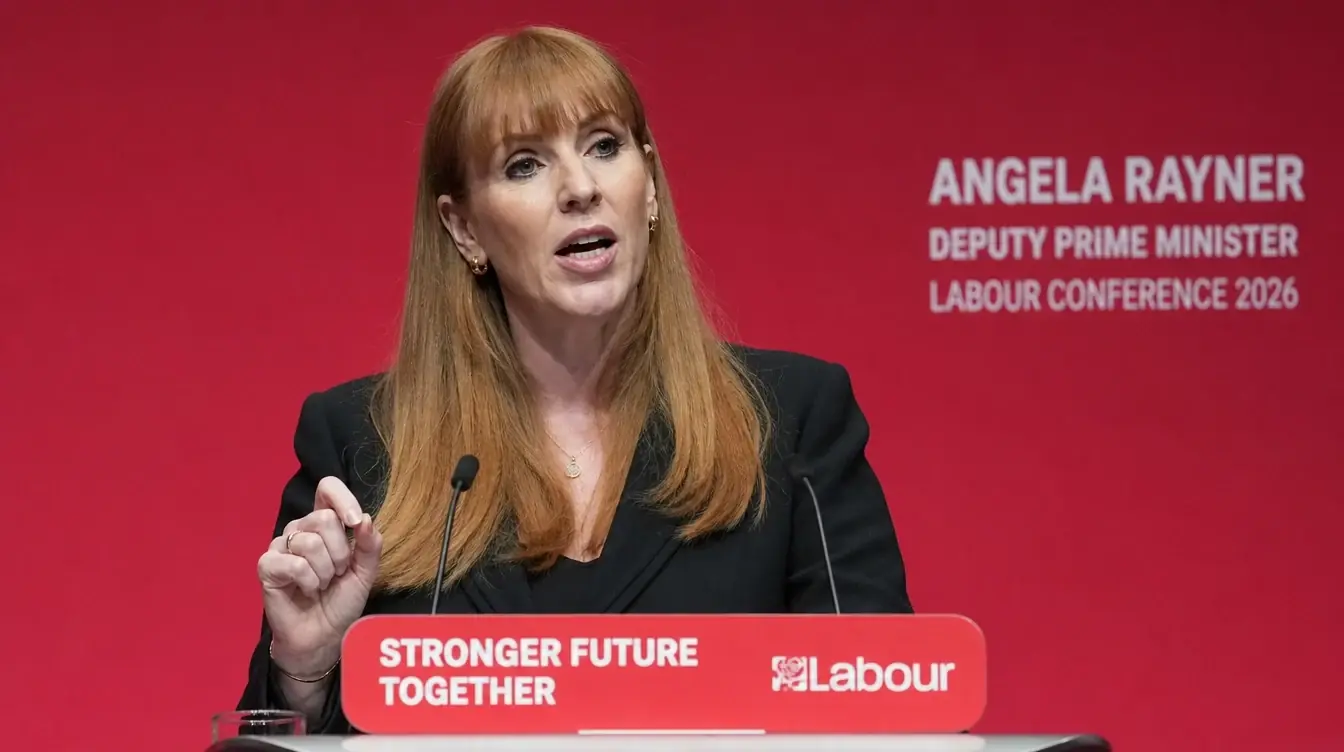
The Labour Party has governed the United Kingdom since winning the July 2024 General Election with a landslide 412-seat majority. Under Keir Starmer, Labour secured 33% of the vote — enough for a commanding Commons majority, though one of the lowest vote shares for any majority government in British history.
Since taking office, the government has faced severe headwinds. Voting intention polling has collapsed from 33% to 18% by May 2026 — a fall of 15 percentage points and one of the most dramatic mid-term declines in modern British political history. Labour now sits in third place behind Reform UK at 28% and the Conservatives at 19%.
On the right flank, Reform UK has captured many working-class voters in Leave-voting constituencies who backed Labour in 2024 but have since been disappointed by the pace of change on immigration and the economy. On the left, the Green Party has surged to 15%, drawing younger and more progressive Labour voters disillusioned with Starmer's centrist positioning.
Keir Starmer's personal approval rating had fallen to −23.8 net by the time he resigned in 2026, reflecting widespread dissatisfaction with the cost-of-living crisis and public services delivery. His successor Andy Burnham currently holds a net approval of +15.2 on the leader approval tracker.
Labour was founded in 1900 and has traditionally been the party of the trade union movement, the working class, and public services. According to Wikipedia's overview of the Labour Party, the party has been in government for over 30 years of the postwar period. Its historic electoral coalition has shifted substantially over the past decade. The 2024 landslide assembled a broad anti-Conservative coalition including graduates, ethnic minority communities, urban professionals, and disaffected traditional Labour voters — a coalition now fracturing in multiple directions.
The government's domestic record has been mixed. The Employment Rights Bill delivered significant gains including stronger trade union rights and day-one unfair dismissal protection. However, welfare reform proposals reducing disability benefit payments generated a significant backbench rebellion. NHS waiting lists remain a major pressure point, with millions of patients still waiting despite Labour's pledge to clear the backlog. On the economy, the government has faced accusations of excessive caution from the left and fiscal recklessness from the right — squeezing Labour between competing narratives that are difficult to resolve.
The path back to electoral competitiveness requires Labour to address twin challenges simultaneously: rebuild trust with working-class voters in the Midlands and North who have drifted to Reform UK, while retaining urban progressive voters tempted by the Greens. The 2029 General Election will be the decisive test of whether Starmer can find that balance. With Starmer standing down, that task now falls to Andy Burnham, who has promised a devolution-first “Plan for Britain” built around moving power out of Westminster rather than simply changing the government's tone.
Key Issues Labour Leads On
NHS Reform
Labour polls ahead as the most trusted party on the NHS, despite ongoing waiting list pressures and debates about the scale of reform needed.
Education
School funding and teacher pay reforms remain a relative strength for Labour in polling on party issue ownership. The Education Secretary has prioritised school rebuilding and teacher recruitment.
Workers Rights
The Employment Rights Bill has strengthened Labour's position among trade union voters and working-class communities who wanted stronger protections after years of Conservative employment law.
Labour Vote Collapse — Analysis
Video: Analysis of Labour's vote collapse and Reform UK's surge in England — a breakdown of the regional and demographic shifts driving the polling movement since July 2024.
Who Votes Labour? Demographics (June 2026)
Labour’s 2024 coalition is fracturing in two directions simultaneously: younger progressive voters are moving to the Greens, while older working-class voters in Leave-voting areas drift toward Reform UK. The party retains its strongest hold in major cities and among graduates, but even these groups have shown declining loyalty.
| Group | Labour VI (June 2026) | Change vs. Jul 2024 | Notes |
|---|---|---|---|
| 18–24 | 19% | −14pp | Heavy losses to Greens; Labour now 3rd in this group |
| 25–34 | 22% | −10pp | Green and Lib Dem competition for graduate renters |
| 35–44 | 24% | −8pp | Relatively resilient; family-policy voters |
| 45–54 | 21% | −9pp | Mid-term squeeze; NHS and cost-of-living concerns |
| 55–64 | 17% | −11pp | Erosion from Reform UK among Leave voters |
| 65+ | 13% | −12pp | Weakest age group; winter fuel cut hit hard |
| Graduates | 26% | −7pp | Retains graduate lead but Green competition growing |
| Non-graduates | 14% | −15pp | Heaviest losses; Reform UK taking this group |
| London | 34% | −6pp | Strongest region; urban professional and BAME vote |
| North of England | 20% | −14pp | Red wall continuing to crumble to Reform UK |
| South of England (ex-London) | 11% | −10pp | Lib Dem competition; Labour never won many seats here |
| Renters | 27% | −8pp | Better than homeowners; housing policy a partial shield |
| Homeowners | 13% | −13pp | Asset-owning voters not seeing benefit from Labour government |
Frequently Asked Questions
What is Labour’s current polling in 2026?
Labour is polling at 18% in June 2026, down from 33% at the July 2024 general election — a fall of 15 percentage points in less than two years in government. The party now sits third in national polls behind Reform UK at 28% and the Conservatives at 19%.
Why has Labour’s vote collapsed since 2024?
Labour’s polling collapse reflects dissatisfaction with the cost of living, a Budget that cut winter fuel payments and raised employer National Insurance, failure to reduce immigration to levels voters regard as acceptable, and NHS waiting lists that remain above 2024 levels in many areas. The Green Party has captured younger progressive voters; Reform UK has taken working-class voters in the Midlands and North.
What is Keir Starmer’s approval rating?
Keir Starmer’s net approval rating had fallen to −23.8% by the time he resigned in 2026 (22.4% approve, 50.2% disapprove) — one of the lowest ratings for a sitting Prime Minister in modern polling history, below even Gordon Brown’s worst mid-term ratings. Successor Andy Burnham currently holds a net approval of +15.2%.
Can Labour win the 2029 general election from 18% polling?
Winning a majority from 18% would require an extraordinary recovery. MRP models at current polling give Labour approximately 250–280 seats — a large parliamentary presence but below the 326 needed for a majority. Labour’s path to victory likely depends on the right-wing vote remaining split between the Conservatives and Reform UK, allowing Labour to win three-way contests.
What has Labour achieved in government since July 2024?
Labour’s legislative record includes: the Employment Rights Bill (day-one unfair dismissal protection, stronger union rights); the Renters Rights Bill abolishing Section 21 no-fault evictions; the Hillsborough Law; ending the junior doctor strikes that had run since 2023; and planning reform to accelerate house building. The October 2024 Budget — raising employer National Insurance to 15% and cutting winter fuel payments — has been the most politically damaging single measure. NHS achievements →
What is Labour’s strategy to recover from 18% polling?
Labour’s recovery requires simultaneous progress across five areas: NHS waiting list reduction through the 10 Year Health Plan; visible economic improvement as inflation falls and wages rise; housing delivery under Angela Rayner; immigration reduction under Yvette Cooper; and public investment producing visible service improvements. The challenge is that all these require years to materialise, and the 2029 election may arrive before the felt benefit is widespread. In his first broadcast interview since winning the Makerfield by-election, incoming leader Andy Burnham called this a “last chance” for the party to change course.
Explore More
Who Votes Labour?
Full demographic breakdown — who still backs Labour in 2026, and where the party has lost voters.
Labour Polling History
From Corbyn’s 32% in 2019 to Starmer’s landslide to 18% collapse — the full polling story.
All Parties
Compare Labour with Conservatives, Reform UK, Lib Dems, SNP and the Greens.
Leader Approval
Keir Starmer net approval vs. other party leaders. Updated regularly.
General Election 2029
At 18% VI, Labour risks losing official opposition status. Seat projection models for 2029.
Angela Rayner
Deputy PM & Housing Secretary — approval rating, controversies and polling trend.
Rachel Reeves
Chancellor of the Exchequer — economy trust polling and Budget approval data.
Wes Streeting
Health Secretary — NHS approval polling and performance ratings.