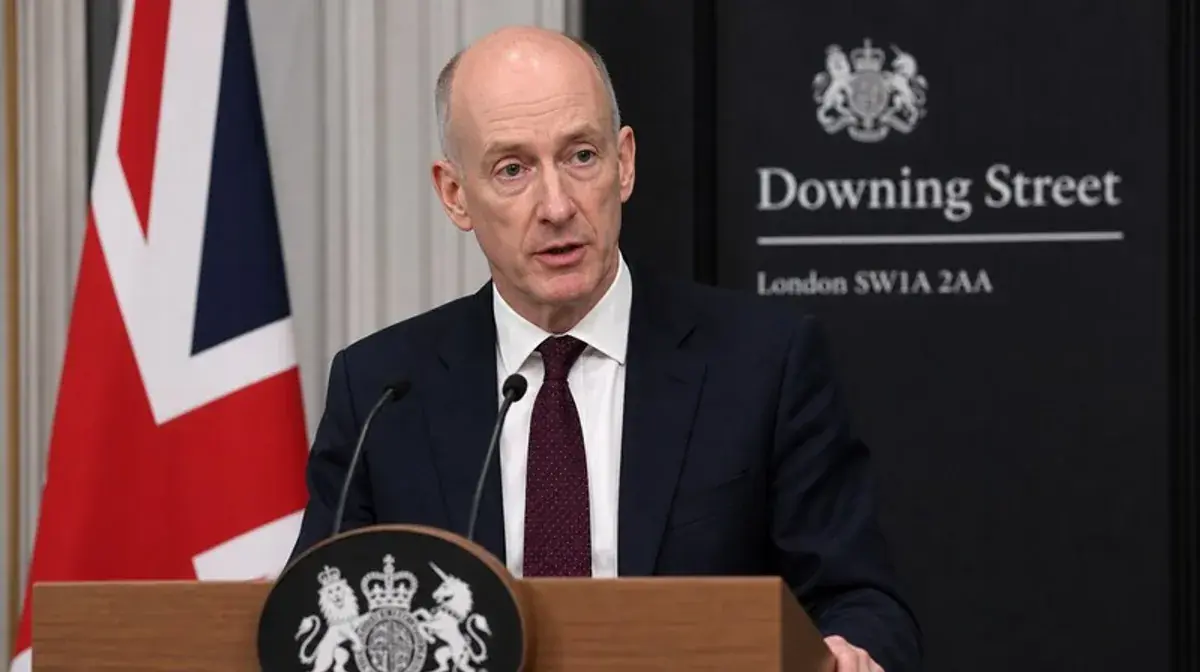
In July 2024, Labour won 412 seats on a 34% vote share, delivering the party’s largest parliamentary majority since Tony Blair’s 1997 landslide. Two years later, polling across multiple firms places Labour at approximately 18% — a 16-point collapse that represents one of the steepest post-election declines in British polling history. This analysis breaks down the two-year verdict by policy area, examines the ministerial performance data, and asks what the polling actually tells us about Labour’s path to 2029.
The 34% to 18% Collapse: A Historical Perspective
To understand how severe the Labour polling collapse has been, it is worth placing it in historical context. Tony Blair’s government fell from 44% in the 1997 election to approximately 40% by mid-1999, a four-point decline over two years. Even the Major government, which imploded spectacularly on Black Wednesday in September 1992, moved from 42% at the April 1992 election to around 27% by late 1993 — a 15-point decline but over 18 months and driven by a single catastrophic event. Labour’s current 16-point decline has no single equivalent trigger; it reflects a sustained and cumulative erosion of trust across multiple policy areas.
The structure of the loss matters as much as its scale. Analysis of the 16-point drop shows it is not driven by a single demographic or geographic group abandoning Labour simultaneously. Working-class voters in northern England began leaving first, driven by the winter fuel cut in August 2024. Public sector professionals began moving away after the employer National Insurance rise. Younger voters on housing have drifted towards the Greens. Each sub-group departure has been driven by a different policy decision, which makes the coalition harder to rebuild than if the collapse had a single identifiable cause.
The current voting intention tracker shows Reform UK at approximately 28%, the Conservatives at 19%, Labour at 18%, and the Liberal Democrats at 13%. Labour is currently in third place, an unprecedented position for a governing party at mid-term. See the full Starmer approval analysis for the leader-level picture.
The NHS Verdict: Most Important Issue, Most Damage Done
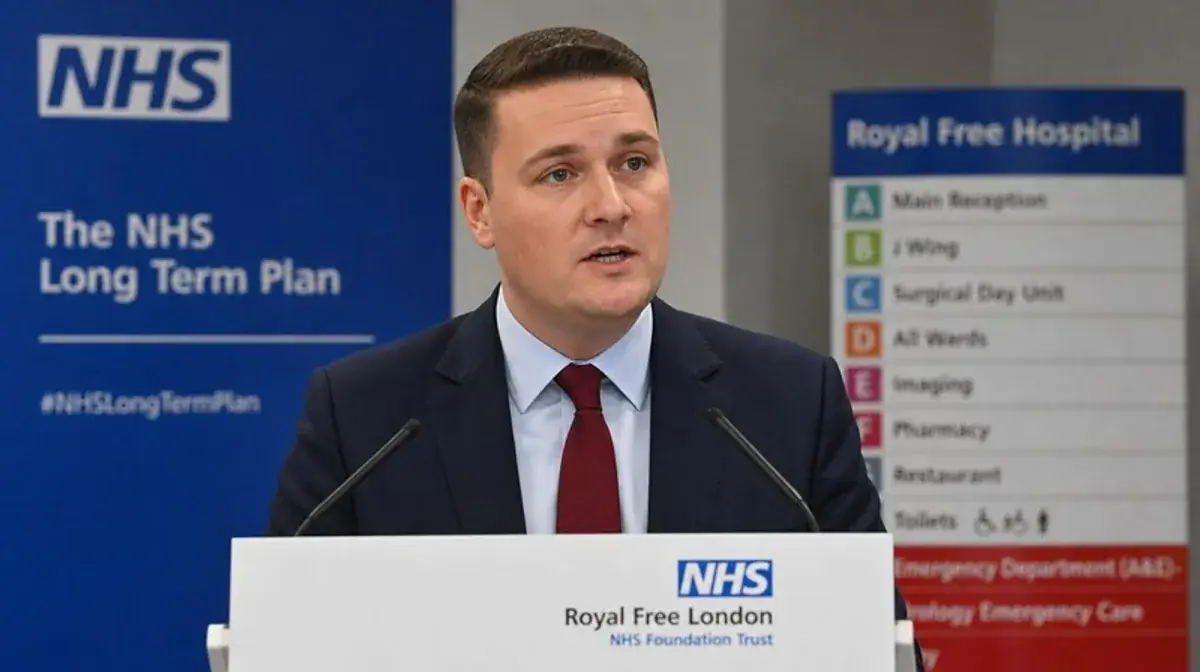
The NHS is the policy area on which Labour has historically held its strongest advantage and on which the current government’s record is most visibly falling short of its own promises. In the 2024 election, Labour held a 22-point lead over the Conservatives on NHS trust. By April 2026, that lead has fallen to 7 points, with the Conservatives narrowing primarily because their 2010–2024 record has partially receded in voter memory.
The waiting list above 7 million is the single most cited concrete failure in polling open-ended responses. When voters are asked what Labour has failed to deliver, NHS waiting times is named first by 61% of respondents — ahead of immigration (54%) and cost of living (49%). Wes Streeting’s −15% approval reflects the structural difficulty of being the face of a system still visibly in crisis. See the full Wes Streeting approval rating analysis for detail on how the NHS satisfaction data breaks down by demographic and patient experience.
Economic Management: From Strength to Liability
Labour’s most dramatic reversal is on economic management. In the 2024 election, the party held a 12-point economic trust lead over the Conservatives — rare and important, given that economic competence normally favours incumbent Conservative governments. By April 2026, the Conservatives lead Labour on economic trust by 17 points (41% to 24%), and Reform UK is within 2 points of Labour at 22%.
The specific Budget decisions that drove this reversal are well-documented in polling. The employer National Insurance increase is the most frequently cited Budget measure when voters are asked what has made them worse off personally. The agricultural inheritance tax change, while affecting a relatively small number of people directly, generated disproportionate media coverage and became a symbol of Labour’s relationship with rural and small-business communities. Rachel Reeves’ personal approval has fallen to around −22%, reflecting both the Budget decisions and the broader economic perception problem the government faces. Her full polling profile is analysed in our Rachel Reeves economic trust piece.
Immigration: The Undelivered Promise
Labour did not explicitly promise to reduce net migration to any specific number, having learned from the Conservatives’ recurring failure to hit self-set targets. But the implicit promise was clear: a different approach that would result in a different outcome. Two years in, net migration data shows no material reduction from the peak of approximately 728,000 per year reached under the previous government. Voter perception has hardened accordingly.
On immigration, Labour now trails Reform UK by 42 points as the party voters most trust (Reform 48%, Labour 6%, Conservatives 29%, in a Techne April 2026 survey). Immigration is now the single most cited reason for not returning to Labour among defectors. The transition of Yvette Cooper from Home Secretary to Foreign Secretary has shifted some of the personal accountability for immigration policy, but the failure is attributed to the government collectively. Her foreign policy polling profile is explored in our Yvette Cooper analysis.
Housing and Education: The Brighter Picture
Not every policy area tells the same story of collapse. Education is the single area where Labour’s polling position has deteriorated least. The party retains a lead over the Conservatives on school standards by approximately 8 points, a smaller margin than in 2024 (16 points) but still meaningful. Bridget Phillipson’s tenure as Education Secretary has been less publicly controversial than Streeting’s or Reeves’, and school funding announcements have been received with modest positive polling numbers.
Housing presents a more mixed picture. Labour’s planning reforms have broad conceptual support (52% approval for relaxing planning restrictions to build more homes), and the government’s targets have been retained even as housing starts lag behind them. But the tangible outcomes for voters — rental prices, mortgage rates, house prices — have not improved materially, and voters do not yet connect planning law reforms with their lived experience. Labour leads the Conservatives on housing trust by a narrowed 4 points, down from 11 in 2024, with the Liberal Democrats particularly strong in southern England on this issue.
Ministerial Approval: Who Is Above Water?
Individual Cabinet minister approval ratings present a more varied picture than the headline government numbers. Ed Miliband, Secretary of State for Energy Security and Net Zero, holds the highest net approval of any senior Labour minister at approximately −5%, driven by strong support among under-45 voters and those for whom climate policy is a primary concern. His approval is limited by limited cross-party appeal, but his numbers within Labour’s remaining coalition are robust.
Pat McFadden, Cabinet Office Minister, has the unusual distinction of being well-regarded within Westminster without generating the public recognition figures that would allow meaningful approval polling. Among political journalists and informed observers he is consistently rated as one of the more effective operators in Cabinet, but his public profile remains below the threshold for reliable national polling on his personal approval.
Yvette Cooper as Foreign Secretary polls at around −8% net, a better position than her Home Secretary period reflected, partly because foreign policy generates less voter anger than domestic policy failures. Angela Rayner at −25% and Rachel Reeves at −22% are among the most damaged senior Cabinet figures. The Prime Minister himself at −44% remains the anchor on the entire government’s approval — a figure that has deteriorated in almost every polling period since July 2024, with the Starmer tracker showing no meaningful recovery.
The Path to 2029: What the Polls Say Labour Needs
Four years remain before the 2029 general election, and a recovery from 18% to a competitive position is mathematically possible. Historical precedent is limited: no governing party in modern British polling history has fallen this far at mid-term and subsequently recovered to win re-election. The Conservatives between 2020 and 2024 went from 26% to 34% while in opposition over four years, but they were not burdened by an actual governing record to defend.
Polling analysts identify three minimum conditions for meaningful recovery. First, a visible and measurable reduction in the NHS waiting list below 6 million by 2028. Second, a real-terms improvement in household disposable income that voters feel and attribute to government policy. Third, a credible narrative on immigration that does not require waiting for the statistics to change. Delivering all three simultaneously, against a political backdrop of a Reform UK surge and a Conservative opposition that has partially recovered economic credibility, is the central challenge for the Starmer government going into its second half.
Frequently Asked Questions
What is Labour’s polling share two years after the 2024 election?
Approximately 18% in April 2026, down from 34% at the 2024 general election. This 16-point two-year collapse is one of the steepest post-election declines recorded for a governing party in British polling history.
Which policy area has damaged Labour least in polling?
Education polling shows the least damage, with Labour still leading the Conservatives on school standards by around 8 points. Clean energy investment also polls positively as a concept. Immigration and economic management are the most damaged areas.
Which Cabinet minister has the highest approval rating?
Ed Miliband at approximately −5% net approval. Yvette Cooper (−8%) and Pat McFadden also poll relatively well. Rachel Reeves (−22%) and Angela Rayner (−19%) are the most negatively rated senior figures.
Can Labour recover to win in 2029?
Four years remain and mathematical recovery is possible. Most polling analysis identifies three minimum conditions: visible NHS waiting list reduction, real household income improvement, and a credible immigration narrative. No governing party has fallen this far at mid-term and won re-election in modern British polling history.