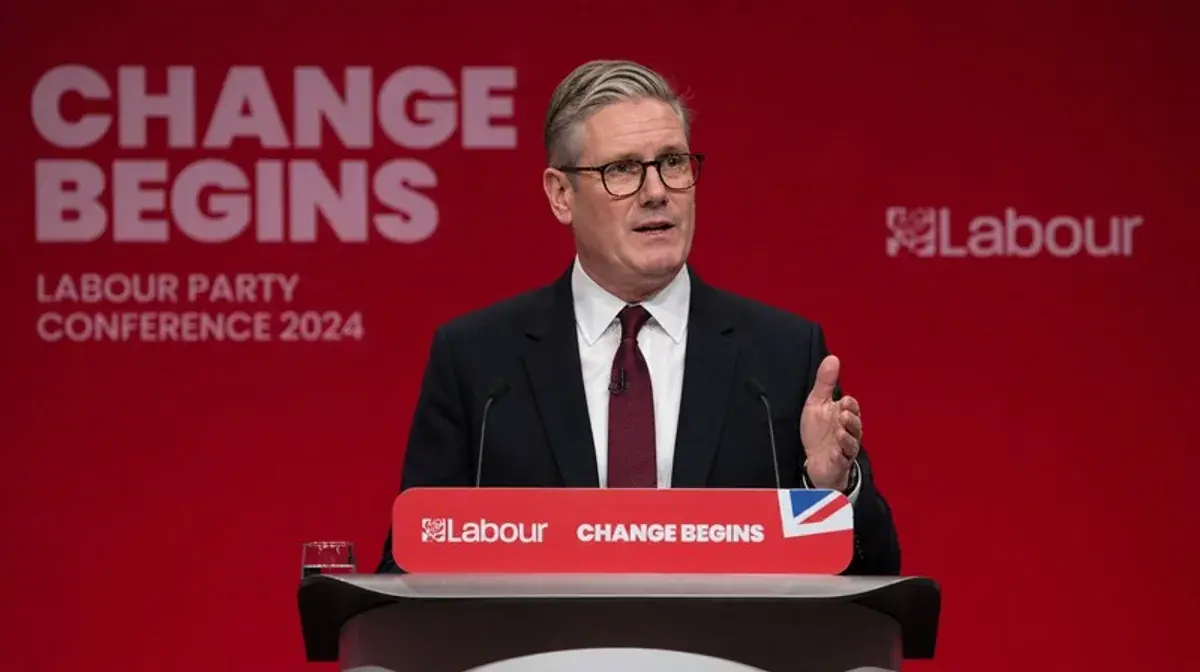
With Labour sitting at 18% in public polls — a 16-point fall from its 2024 election result — a reasonable question is whether the party’s own internal research tells a different story. The short answer is probably not in terms of the headline direction, but internal polling provides the granular strategic intelligence that shapes government decisions in ways outsiders can read backwards from the policies themselves.
How Party Private Polling Works
Major British political parties spend several million pounds per year on private polling and qualitative research. Labour’s research operation, run through its London headquarters and supplemented by contracted firms including those that worked on the 2024 campaign, commissions surveys on a weekly or fortnightly basis during politically active periods. Unlike published polls designed for media consumption, internal polls focus on swing voters in target seats, message testing, and issue salience among specific demographic sub-groups.
The methodology is similar to published polling — online panels, demographic weighting, turnout filtering — but the samples are often drawn from a smaller geographic footprint. A typical internal poll might focus exclusively on 200–300 respondents in a marginal constituency, providing data on which messages resonate, which opposition attacks land, and what proportion of the local electorate is genuinely undecided. This granular intelligence is considerably more useful for campaign strategy than national toplines.
What the Government’s Actions Reveal About Its Research
Parties rarely publish internal polling, but their policy decisions often reveal what the research has found. Reading the evidence backwards from government choices provides a reasonable inference about what Labour’s internal data is showing. The Employment Rights Bill was prioritised early and heavily publicised — suggesting internal research confirmed strong support among the working-class Labour voters the party most needed to retain. The government’s repeated emphasis on NHS waiting list data suggests internal research shows this is the area where voters most want to see progress.
The winter fuel payment decision — which proved so damaging — was presumably supported by internal research showing fiscal credibility mattered more to swing voters than pensioner benefit protection. If that calculation proved wrong in practice, it suggests either a failure of internal research or a case where fiscal constraints overrode political intelligence. Labour insiders have since acknowledged the political misjudgement, suggesting the research may not have adequately modelled the emotional reaction to the cut among pensioners who had relied on the payment.
The Marginal Seat Picture
National polling showing Labour at 18% masks significant variation by seat type. Labour’s 2024 majority was built on winning a large number of seats it had never previously held, many of them with majorities of 3,000–8,000. Internal polling in these seats almost certainly shows Reform UK performing significantly better than the national 28% figure, as these constituencies match the demographic profile — older, non-graduate, Leave-voting — where Reform’s strength is greatest.
The MRP models suggest Labour could lose 60–80 of its most marginal gains if current trends hold. Internal party polling in those seats probably tells a similar story with greater precision and more detail on why voters are moving. The pressure this creates on the government to deliver visible improvements — particularly on the NHS and cost of living — is the most likely explanation for the pace of certain policy announcements despite the fiscal constraints.
Focus Groups: Where the Qualitative Picture Emerges
Alongside quantitative polling, Labour runs regular focus groups with target voter segments: former Labour voters who switched to Reform, 2024 first-time Labour voters now considering abstaining, working-class voters in northern marginals. Leaked accounts of internal focus group findings that have appeared in the political press suggest deep frustration with the pace of change, with participants using phrases like “we gave them a chance and nothing has changed.”
Focus groups also reveal the emotional dimension of voter dissatisfaction that surveys often miss. Quantitative polls can show that 48% of voters think Labour has broken its promises, but they cannot capture the sense of personal betrayal that focus group participants articulate when discussing the winter fuel cut or continued immigration levels. Understanding this emotional register is where qualitative research adds distinctive value.
Can Internal Research Help Labour Recover?
The critical question is whether Labour’s internal research can identify a credible path back to the 30%+ share needed to retain a majority. The party’s pollsters are almost certainly testing messages around economic growth, NHS improvement, and housing delivery — the positive delivery narrative the government wants to build. The challenge, which internal research probably also confirms, is that narrative credibility depends on voters being able to see tangible improvements in their own lives.
With three years remaining before a likely 2029 election, Labour has time but not unlimited time. The historical precedent — Governments at 18% mid-term have recovered to win — is encouraging but not inevitable. Whether the public polling gap between Labour and Reform closes over the next 12–18 months will determine whether the 2024 majority was a one-term government or the beginning of a longer Labour era.