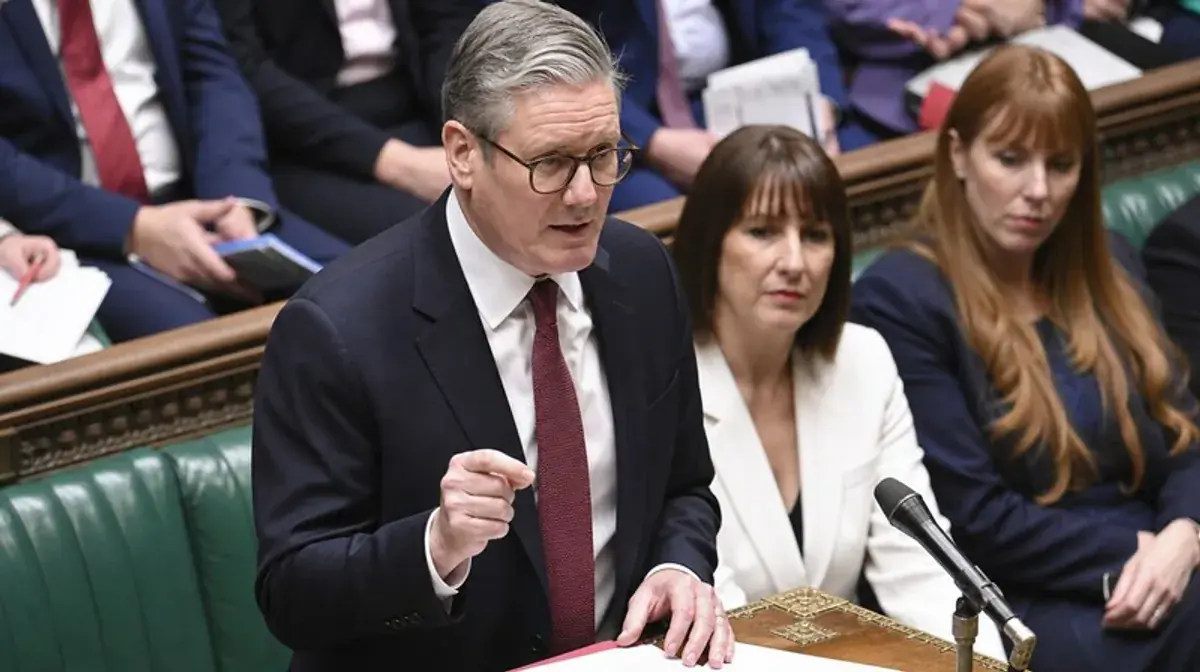
When Keir Starmer won his landslide majority in July 2024, the NHS was front and centre of Labour’s offer. Two years later, NHS satisfaction sits at 24% — a record low — and the health service has become the single greatest drag on the government’s approval.
The 24% Figure: What It Means
The British Social Attitudes (BSA) survey has tracked NHS satisfaction since 1983. The 2026 reading of 24% is the lowest ever recorded — below the 29% nadir reached in 2023 under the Conservatives, and far below the 70%+ satisfaction seen in the mid-2000s when Blair’s investment programme was bearing fruit. The main drivers cited by dissatisfied respondents are waiting times (named by 81%), staff shortages (63%), difficulty accessing a GP (58%), and quality of care when seen (31%).
The fall in satisfaction since Labour took office is particularly politically damaging because the party explicitly promised to “turn around” the NHS in its first term. Polling conducted in May 2026 shows 64% of voters believe the NHS has “got worse or stayed the same” since the election.
The Waiting List Problem
NHS waiting lists in England peaked at 7.8 million in September 2023 and had fallen to 7.4 million by the time Labour took office. As of early 2026, they stand at 6.9 million — a modest fall that Labour presents as progress, but which voters experience as continuing to wait many months for treatment. The elective care target of eliminating waits over 18 weeks, promised by the government for the end of the parliamentary term, is currently not on track.
More In Common focus groups conducted in February 2026 found that personal NHS waiting experiences were a major driver of Labour defection. Participants who had waited over six months for a referral were significantly more likely to express intent to vote Reform or Green than those who had accessed NHS care promptly.
Labour’s Approval on Health
Polling on party performance by issue shows Labour retaining a narrow lead as “best party on the NHS” (32% Labour vs. 14% Reform, 12% Conservative, 11% Greens). This suggests voters still associate Labour with NHS values even as they disapprove of its delivery. But the lead has narrowed from 28 points above Reform in October 2024 to 18 points today.
More troubling for Labour is the salience data. Among voters who name health as their most important issue, 28% now say they would vote Labour — down from 45% a year ago. See full NHS polling data →
What Wes Streeting’s Reforms Could Deliver
Health Secretary Wes Streeting has staked his political reputation on NHS reform. His programme — greater use of the independent sector, incentive-based contracts for GPs, reform of NHS management structures — is designed to deliver measurable waiting-list reductions before 2029. Internal modelling suggests the waiting list could fall to 5.5–6 million by early 2029 if reforms proceed on schedule.
Polling tests of whether a fall in waiting lists would recover Labour’s NHS approval rating are cautiously optimistic: a fall to 6 million is associated with a 6–8 point improvement in NHS satisfaction in hypothetical scenarios.
The Cross-Party Dimension
NHS dissatisfaction is driving voters in multiple directions. Older voters disappointed with NHS access are moving towards Reform — attracted by Farage’s claim that reducing immigration would ease pressure on the health service. Younger voters angry about mental health waiting times and GP access are moving to the Greens. Both movements cost Labour votes. Only a genuine and visible improvement in NHS performance before 2029 can interrupt this dynamic. Track current voting intention →