2019 UK General Election Results
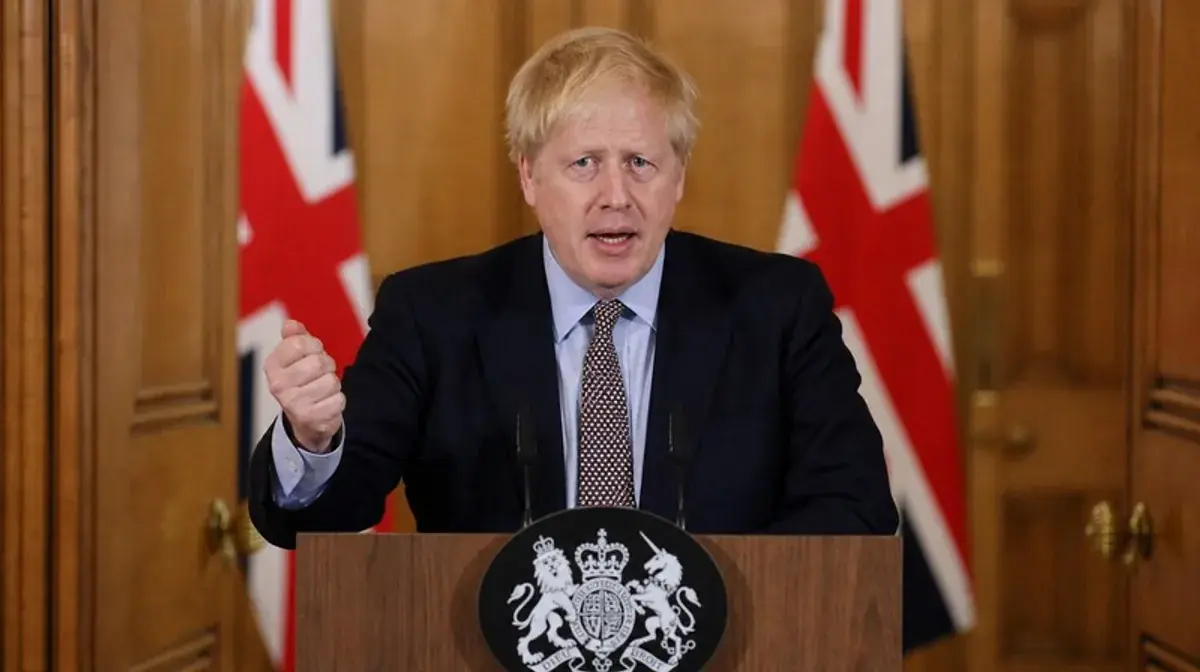
12 December 2019 — Boris Johnson’s Conservatives won an 80-seat majority on 43.6% of the vote. How does it compare to today’s polling?
Full Results — 12 December 2019
| Party | Seats | Vote % | Seat bar |
|---|---|---|---|
| Conservatives | 365 | 43.6% | |
| Labour | 202 | 32.1% | |
| SNP | 48 | 3.9% | |
| Lib Dems | 11 | 11.6% | |
| Greens | 1 | 2.7% | |
| Brexit Party | 0 | 2% | |
| Plaid Cymru | 4 | 0.5% | |
| Other | 19 | 3.6% |
2019 vs 2024 vs 2026 Polls: A Comparison
The transformation of British politics between 2019 and 2026 has been dramatic. The Conservatives went from 43.6% and a landslide majority to 23.7% in the 2024 election and around 19% in 2026 polls. Labour won a huge majority in 2024 on 33.7%, but has since collapsed to 18% in 2026 polling as Reform UK surged from 14.3% to 28%.
| Party | 2019 GE % | 2024 GE % | 2026 polls % | Change 2019→2026 |
|---|---|---|---|---|
| Conservatives | 43.6% | 23.7% | 19% | -24.6pp |
| Labour | 32.1% | 33.7% | 18% | -14.1pp |
| Reform / Brexit | 2% | 14.3% | 28% | +26pp |
| Lib Dems | 11.6% | 12.2% | 13% | +1.4pp |
| Greens | 2.7% | 6.7% | 15% | +12.3pp |
2026 figures = polling average May 2026 (YouGov, Ipsos, Survation).
The key story: Conservative collapse
The Conservatives have lost 24.6 percentage points since their 2019 peak, the largest sustained collapse for a governing party in modern British polling history. Their vote has split primarily to Reform UK on the right and the Greens on the (relative) left, leaving the party in third place in 2026 polls.
2019 Context
The “Get Brexit Done” election
Boris Johnson campaigned on a single slogan: “Get Brexit Done.” After three years of parliamentary deadlock over the withdrawal agreement, the message resonated strongly — particularly in Leave-voting Labour heartlands in the Midlands and North of England (“Red Wall” seats) that switched to Conservative for the first time in generations.
Jeremy Corbyn’s Labour
Labour under Jeremy Corbyn suffered its worst result since 1935, losing 60 seats. Corbyn’s personal unpopularity, an ambiguous Brexit position, and allegations of antisemitism within the party all contributed to the scale of the defeat.
Where did the Brexit Party go?
Nigel Farage’s Brexit Party won 2.0% of the national vote in 2019 but did not contest Conservative-held seats, standing aside to avoid splitting the Leave vote. By 2024, most Brexit Party voters had migrated to Reform UK, which Farage relaunched and led to 14.3%.
What was the result of the 2019 UK General Election?
Boris Johnson’s Conservatives won 365 seats on 43.6% of the vote, giving them an 80-seat majority. Labour won 202 seats on 32.1%, the party’s worst result since 1935. The SNP won 48 seats, the Lib Dems only 11 despite winning 11.6% of the vote. FPTP explained →
How did Conservative support fall from 43.6% in 2019 to 19% in 2026?
The Conservative collapse is one of the most dramatic in modern British political history. It was driven by the chaos of the Boris Johnson, Liz Truss, and Rishi Sunak governments, the cost of living crisis, and the rise of Reform UK taking right-wing voters. Conservative polling →
How does the 2019 election compare to current polling?
The political landscape has transformed. In 2026 polls, Reform UK leads at 28%, compared to 2% for the Brexit Party in 2019. The Conservatives have fallen from 43.6% to 19%. Labour has gone from 32.1% (2019) to 33.7% (2024 win) and back down to 18% in 2026 polls. Current VI tracker →
Why did Labour lose so badly in 2019?
Labour lost the 2019 election for three compounding reasons: Jeremy Corbyn’s personal unpopularity with a net approval of −43%; a second referendum Brexit position that alienated Leave-voting Labour supporters in the Midlands and North; and the perception that Labour’s economic platform was too radical for swing voters. The party lost seats in the Red Wall, areas they had held since the 1950s, including Blyth Valley for the first time ever. Labour polling tracker →
What was the Brexit Party vote in 2019?
The Brexit Party stood in only around 270 seats in 2019, having stood down in Conservative-held seats to avoid splitting the Leave vote. They polled approximately 2% nationally but won zero seats. Their decision to stand aside in Conservative areas significantly boosted the Conservative majority. The Brexit Party later became Reform UK, which now leads UK polls at 28% — a transformation from fringe single-issue party to the UK largest polling party in just six years.
Sources & Further Reading
Official 2019 General Election results are published by the Electoral Commission: 2019 General Election. See also our 2019 detailed results page and compare with the 2024 results.