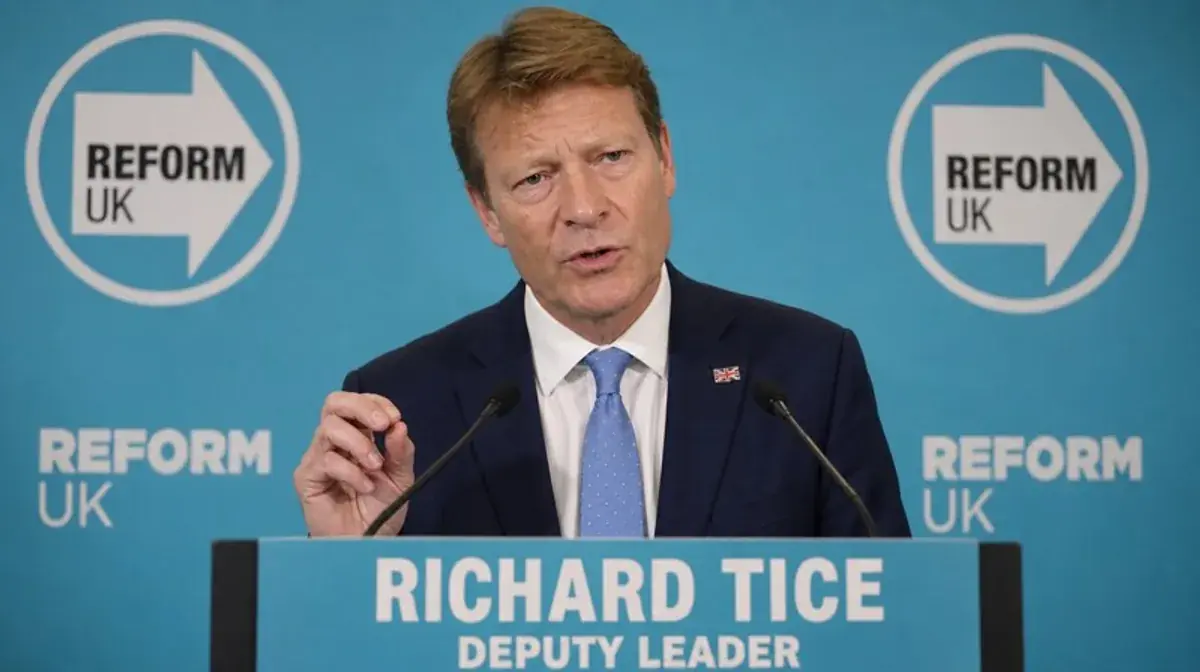
The May 2026 local elections delivered a watershed moment for Reform UK: the party won outright control of 12 councils, became the largest party on a further 18, and won over 600 individual council seats. It was the largest first-cycle local election performance by any new party in modern British history.
The Numbers: 600+ Seats and 12 Councils
Reform UK had virtually no local government presence before May 2026. In 2023 locals it won a handful of seats; in 2024 it was focused entirely on the general election. The May 2026 elections — covering county councils, unitary authorities, and some district councils in England — provided the first major local test of the party’s 28% national poll rating. The results broadly matched or exceeded expectations.
In areas where Reform polled strongly nationally — the East Midlands, Yorkshire, the North East, coastal towns in Essex, Kent, and Lincolnshire — the party’s candidates won in large numbers. In several county councils they took enough seats to form a controlling group. In South Holland and the Fens, Bassetlaw, and parts of East Yorkshire, Reform won with vote shares exceeding 40%.
Geographic Breakdown
The 12 councils under Reform control are almost exclusively in England outside London. Strongest performances came in agricultural and coastal communities — areas with older demographics, high Leave-vote shares from 2016, and longstanding economic grievances. Reform won a majority on Lincolnshire County Council, took control in Doncaster, and performed strongly enough in Teesside to form the executive.
In urban areas Reform remained weak: the party won few seats in Birmingham, Manchester, Leeds, or any London borough. This geographic split reinforces the fundamental tension in Reform’s electoral position — strong in areas where FPTP can deliver seats, weak in cities where high-density opposing votes limit its ceiling.
What the Councils Now Do
Reform-controlled councils face immediate governing choices that will test their policy credibility. Several have announced reviews of council spending on equality, diversity, and inclusion programmes. Others have pledged to challenge central government planning targets and restrict development on green land. These positions are popular with their voter base but will bring legal and financial pressures.
Nigel Farage has positioned the council victories as proof that Reform can govern responsibly as well as campaign effectively. Polling conducted in the week after the results showed that 31% of voters who did not back Reform in the 2024 general election said the council results made them “more likely to consider” voting Reform in 2029.
Labour and Conservative Losses
The results were painful for both established parties. Labour lost control of councils in the Midlands and North that it had held for decades, most notably in areas that voted Leave in 2016 but returned to Labour in the 2024 general election. The party’s leadership acknowledged the results as a “serious warning” but pointed to strong performances in urban Labour heartlands as evidence the core vote was holding.
The Conservatives lost further ground to Reform in their traditional rural and coastal strongholds. In several county councils they fell from first to third, with Reform displacing them as the dominant centre-right force. One in three 2019 Tory voters is now backing Reform →
Implications for 2029
Local government experience is invaluable for any party seeking a national breakthrough. Reform now has hundreds of elected councillors, a network of local offices, and the ability to point to concrete governing decisions when opponents question whether it can manage public services. The party’s 2029 target is 80–100 parliamentary seats, a figure that looks achievable for the first time given the combination of 28% in national polls and a growing local infrastructure. See current polling →