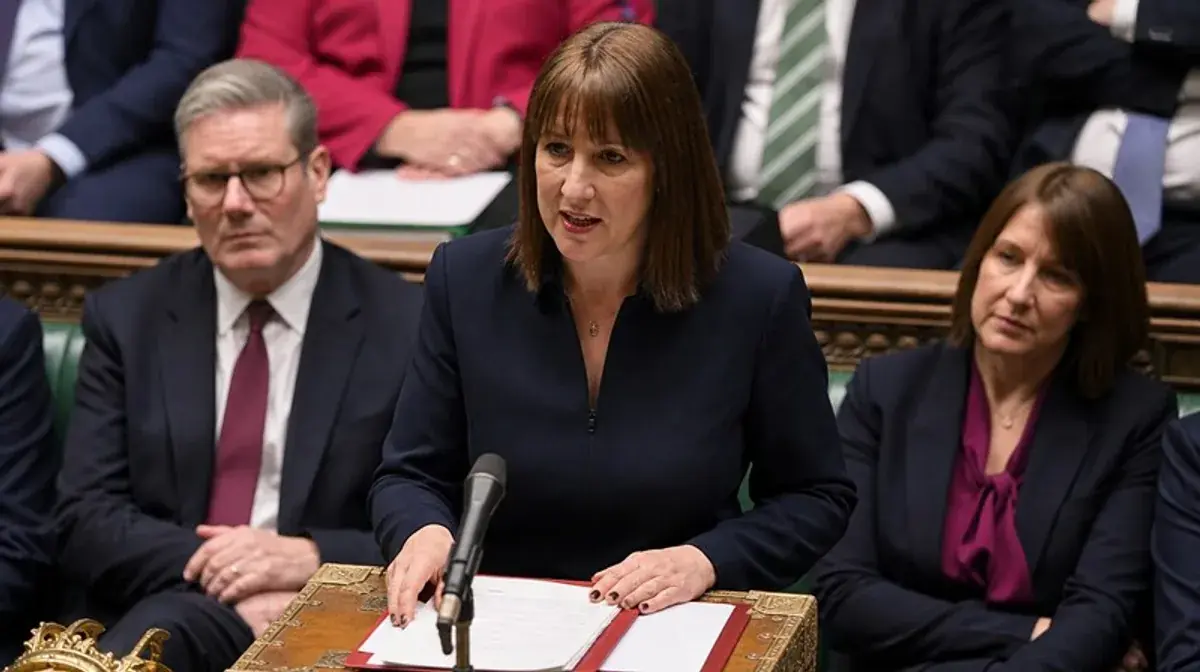
The economic picture in Britain has never, in modern polling terms, looked quite this bleak relative to the political expectations set at the last election. Labour entered government in July 2024 on a prospectus of economic renewal. By May 2026, 68% of voters say the economy is getting worse, only 11% say it is getting better, and the party that promised change is losing the economic argument to both its right and left flanks simultaneously. Here is what the data actually shows.
The Headline Numbers: An Unprecedented Pessimism Gap
The 68% “getting worse” figure from Savanta’s April 2026 omnibus is remarkable in historical context. At the height of the 2022 cost-of-living crisis, the equivalent figure peaked at 71% — but that was driven by actual 11% inflation. Today, with inflation running at approximately 3.2%, the perception gap between economic reality and voter experience is wider than at almost any point in the post-war era.
YouGov’s April 2026 economic tracker tells a similar story. Asked whether they expected the economy to improve over the next 12 months, only 14% of respondents said yes. 58% said they expected it to get worse. A further 22% expected no change. The forward-looking pessimism is, if anything, even more politically dangerous than the backward-looking dissatisfaction, because it suggests voters do not anticipate relief from the trajectory they are currently experiencing.
For comparative context: at the equivalent stage of the 1997 Blair government, 42% of voters said the economy was getting better and only 28% said worse. Even during the difficult early period of the 2010 coalition, when austerity was beginning, the pessimism figure was 58% — ten points below where it stands today. Rachel Reeves is governing against a perception backdrop that is historically severe.
What Voters Say They Are Worried About
Polling from multiple firms consistently identifies the same hierarchy of economic concerns. Cost of living tops the list, cited by 74% of voters as a major personal concern in an Ipsos March 2026 survey. The specific drivers within this broad category are supermarket prices (named by 68% of those citing cost of living as the primary sub-issue), energy bills (52%), and housing costs (48%).
Housing is the issue showing the fastest deterioration in voter sentiment. In the 2024 election, Labour’s planning reform and housing delivery promises gave it a net positive on housing policy for the first time since 2010. By April 2026, that net positive has reversed: 58% say housing is getting worse, 9% say better. House prices remain unaffordably high in most of England, mortgage rates have not fallen to pre-2022 levels, and the government’s housing start numbers are below target. Among under-45 renters, housing dissatisfaction is the dominant economic issue, cited above cost of living.
Public service quality comes third at 61% citing it as a major concern. The NHS waiting list, still above 7 million, provides a daily and concrete symbol of economic failure that bridges economic and service delivery concerns. Voters increasingly conflate the two: NHS delays are interpreted as an economic output, a product of the same mismanagement they associate with cost-of-living increases and stagnant wages.
Economic Trust Breakdown: Who Voters Back Now
The economic trust data is the most electorally consequential finding in recent polling. The Conservatives under Kemi Badenoch lead on economic trust at 41%, Labour are on 24%, and Reform UK score 22%. The 17-point Conservative lead over Labour on economic management would, in any normal electoral environment, be transformative: economic trust is the single strongest predictor of vote intention beyond incumbent party identification.
Labour’s 24% economic trust figure includes its own voters: among the general electorate excluding committed Labour supporters, the figure is closer to 16%. The party is almost entirely reliant on partisan loyalty rather than policy confidence to maintain its current 18% in voting intention polls. The Conservatives’ recovery from 19% in vote intention to 41% in economic trust suggests a significant number of voters who are not ready to go back to the Tories yet are nonetheless crediting them with better economic management instincts.
Reform as the Primary Beneficiary
Reform UK’s 28% in current voting intention cannot be fully understood without the economic backdrop. While immigration remains the party’s strongest issue, cross-tabulations from Techne’s April 2026 survey show that 39% of Reform voters name the economy as their primary motivation — a higher proportion than immigration (34%) for the first time since the party began polling above 20%.
The economic Reform voter is typically a working-class or lower-middle-class voter in a Northern or Midlands town who had voted Labour in 2019 or 2024 and feels that neither party has materially improved their economic situation over the past decade. These voters are not ideologically committed to Reform’s entire platform; they are expressing economic dissatisfaction through the most visible anti-establishment vehicle available. The political implication is that a significant portion of Reform’s support is potentially recoverable for Labour if the economic mood shifts — but equally, it could be captured by the Conservatives if Badenoch builds a credible economic narrative before 2029.
The Policy Responses and Whether They Are Working
The government has responded to the economic polling environment with a series of announcements: the Planning and Infrastructure Bill to boost housebuilding, the National Wealth Fund as a vehicle for private sector investment, and a new industrial strategy focused on clean energy and advanced manufacturing. Polling on each of these policies individually shows modest public support — 52% back the planning reforms in principle, 58% support clean energy investment.
The political problem is that individual policy support does not translate into personal economic optimism. Voters can simultaneously agree that housebuilding should increase and believe that the economy is getting worse for them personally. The gap between policy-level approval and economic sentiment reflects a mismatch between what government can control (planning law, investment frameworks) and what voters actually experience (their own rent, grocery bills, and energy costs). Closing that gap before 2029 is the central challenge for both Reeves and the broader Labour economic team.
Frequently Asked Questions
What percentage of voters say the economy is getting worse in 2026?
68% in Savanta’s April 2026 survey, with only 11% saying better. This is one of the most pessimistic economic perception readings in the post-2008 era despite inflation running far below its 2022–23 peak.
Which party leads on economic trust in 2026?
The Conservatives lead at 41%, followed by Labour at 24% and Reform at 22%. This is a complete reversal from the 2024 election when Labour held a 12-point economic trust lead over the Tories.
How has economic pessimism affected Reform UK polling?
Reform is the primary beneficiary. Among voters who cite the economy as their top concern and say it is getting worse, Reform leads Labour by 18 points. 39% of Reform voters now name the economy as their primary motivation, above immigration for the first time.
What are UK voters most worried about economically?
Cost of living (74%), NHS and public service quality (61%), housing costs (58%), energy bills (52%), and job security (43%). Housing is showing the fastest deterioration in voter sentiment, with 58% saying it is getting worse.